
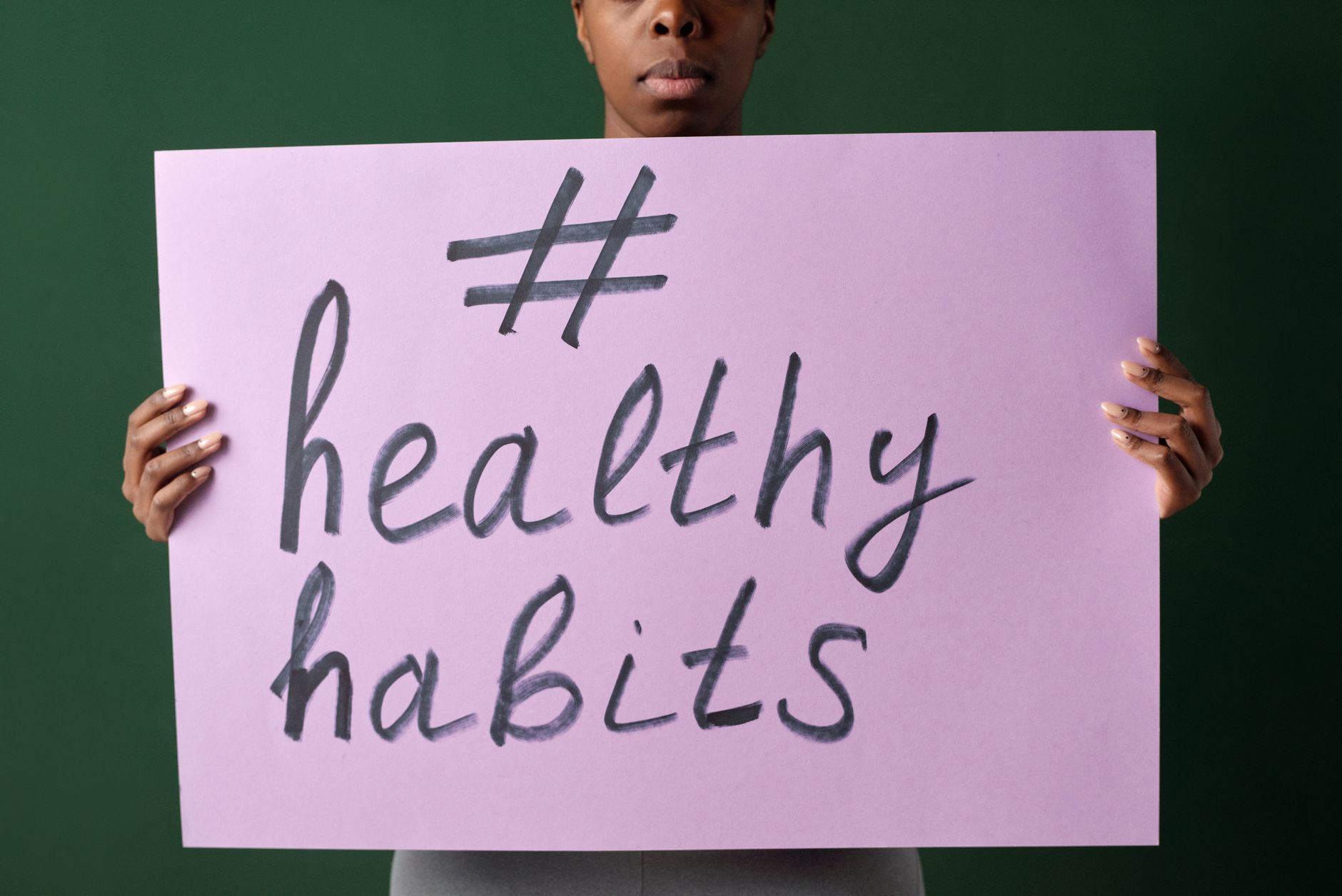
Research suggests that a significant portion of our daily behaviors are driven by habits and routines rather than conscious decision-making. While estimates vary, it’s clear that many of the choices we make each day are automatic. The encouraging news is that when we intentionally build healthier routines, those positive behaviors can also become automatic over time.
At Main Street Counseling, we often remind clients that improving mental health doesn’t always require dramatic life changes. Sometimes, the biggest improvements come from making small, intentional choices that eventually become part of your everyday routine.
Your Brain Loves Routine
Our brains are designed to conserve energy. If every decision required careful thought, we’d become mentally exhausted before lunchtime. Instead, our brains create habits that allow us to function efficiently.
This can work in our favor or against us.
Healthy routines might include:
- Preparing nutritious meals ahead of time
- Going for a daily walk
- Exercising after work
- Drinking more water
- Reading before bed
- Calling a family member every Sunday
Less healthy routines can also become automatic:
- Skipping breakfast
- Drinking alcohol every evening to unwind
- Scrolling social media for hours before bed
- Avoiding physical activity
- Isolating from friends and family
Over time, these repeated behaviors become your “default settings.”
Small Choices Add Up
Many people assume they need to completely transform their lifestyle overnight. In reality, lasting change usually happens through small, consistent actions.
For example, imagine someone who decides to spend two hours every Sunday preparing healthy lunches for the week. That single habit makes it much easier to eat nutritious meals Monday through Friday because the healthy choice is already made.
Similarly, laying out workout clothes the night before, scheduling walks on your calendar, or preparing a protein smoothie each morning reduces the number of decisions you have to make.
Eventually, these actions begin to feel automatic.
The Mental Health Benefits of Healthy Meal Prep
Nutrition plays an important role in both physical and mental well-being.
While no single food can prevent anxiety or depression, regularly eating balanced meals can help support:
- Stable energy levels
- Better concentration
- Improved mood
- Reduced irritability
- Better sleep
- More consistent blood sugar
Meal prepping can also reduce one major source of stress: deciding what to eat every day.
When healthy meals are already prepared, it’s easier to avoid fast food or highly processed convenience meals that may leave you feeling sluggish.
Simple meal prep ideas include:
- Grilled chicken with vegetables
- Salmon and sweet potatoes
- Brown rice bowls
- Overnight oats
- Fresh fruit
- Portioning healthy snacks
The goal isn’t perfection—it’s making healthy choices easier.
Exercise: One of the Best Natural Mood Boosters
Few habits have been studied as extensively as exercise when it comes to mental health.
Regular physical activity has been shown to help:
- Reduce stress
- Improve mood
- Support anxiety management
- Improve sleep quality
- Increase energy
- Build confidence
Exercise doesn’t have to mean spending two hours in the gym.
It might look like:
- A 20-minute walk after dinner
- Swimming
- Yoga
- Riding a bike
- Dancing in your kitchen
- Strength training at home
The best exercise is the one you’ll actually continue doing.
Making movement part of your daily routine allows it to become something you simply do—not something you have to convince yourself to start each day.
Reducing Alcohol Can Improve Mental Wellness
Many people use alcohol to relax after stressful days.
While it may temporarily reduce tension, alcohol can also:
- Disrupt sleep
- Increase anxiety the following day
- Affect mood regulation
- Lower energy
- Interfere with healthy coping skills
Reducing alcohol doesn’t necessarily mean never enjoying a drink. For many people, it simply means becoming more intentional.
Ask yourself:
- Am I drinking because I enjoy it?
- Or am I drinking because I’m stressed, bored, or overwhelmed?
Replacing some drinking occasions with healthier routines such as taking a walk, calling a friend, making tea, or exercising can have a positive impact on both physical and emotional health.
Relationships Matter More Than We Sometimes Realize
Humans are wired for connection.
One of the strongest protective factors for mental health is maintaining meaningful relationships.
Healthy routines might include:
- Weekly family dinners
- Coffee with a friend
- Date nights
- Calling your parents
- Taking your children to the park
- Game nights
- Walking with neighbors
These interactions often become anchors in our week.
They remind us that we’re supported, connected, and part of something larger than ourselves.
Break the Routine Every Once in a While
While routines provide stability, doing the exact same thing every day can sometimes leave life feeling repetitive.
That’s why it’s equally important to intentionally introduce novelty.
Research suggests that trying new experiences can stimulate the brain, increase engagement, and create positive emotions.
Simple ideas include:
- Call an old friend you haven’t spoken to in years.
- Visit a new coffee shop.
- Take a different walking route.
- Try a new recipe.
- Attend a community event.
- Explore a nearby town.
- Read a book outside your usual interests.
- Volunteer for a local organization.
- Take a class.
- Learn a new hobby.
You don’t need to make major changes.
Sometimes a small break from routine is enough to refresh your perspective.
Create an Environment That Supports Healthy Habits
One of the easiest ways to improve your routines is by designing your environment.
For example:
Instead of relying on motivation…
- Put fruit on the counter.
- Keep workout shoes by the door.
- Prepare lunches on Sunday.
- Charge your phone outside the bedroom.
- Schedule workouts on your calendar.
- Place a water bottle on your desk.
The easier a healthy habit becomes, the more likely you’ll continue it.
Progress Over Perfection
One of the biggest obstacles to improving mental health is believing that change has to be all or nothing.
It doesn’t.
You don’t need to:
- Exercise every day.
- Cook every meal.
- Eliminate every unhealthy habit.
- Become a different person overnight.
Instead, ask yourself:
“What’s one healthy routine I could make just a little easier this week?”
Maybe that’s:
- Walking for 15 minutes after dinner.
- Preparing tomorrow’s lunch tonight.
- Drinking one less alcoholic beverage this weekend.
- Calling a friend you’ve been meaning to reconnect with.
- Scheduling a family game night.
Small actions, repeated consistently, often create meaningful long-term change.
Final Thoughts
Mental health is influenced by many factors, and no routine can eliminate every challenge. However, our daily habits shape how we experience stress, relationships, energy, and overall well-being.
When healthy behaviors become part of your automatic routine, taking care of yourself requires less effort and more consistency. At the same time, intentionally adding new experiences and meaningful connections can bring fresh energy and perspective into your life.
Rather than striving for perfection, focus on building routines that support the life you want to live—one intentional habit at a time.
Ready to Prioritize Your Mental Health?
If you’re struggling with anxiety, depression, stress, life transitions, or simply feeling stuck in unhealthy patterns, therapy can help you identify practical strategies that fit your life and goals.
At Main Street Counseling, our compassionate therapists work with children, teens, adults, couples, and families throughout New Jersey. Together, we can help you build healthier habits, strengthen relationships, and develop routines that support long-term emotional well-being.
Contact Main Street Counseling today to schedule an appointment and take the first step toward a healthier, more intentional life.
Leave a Reply