
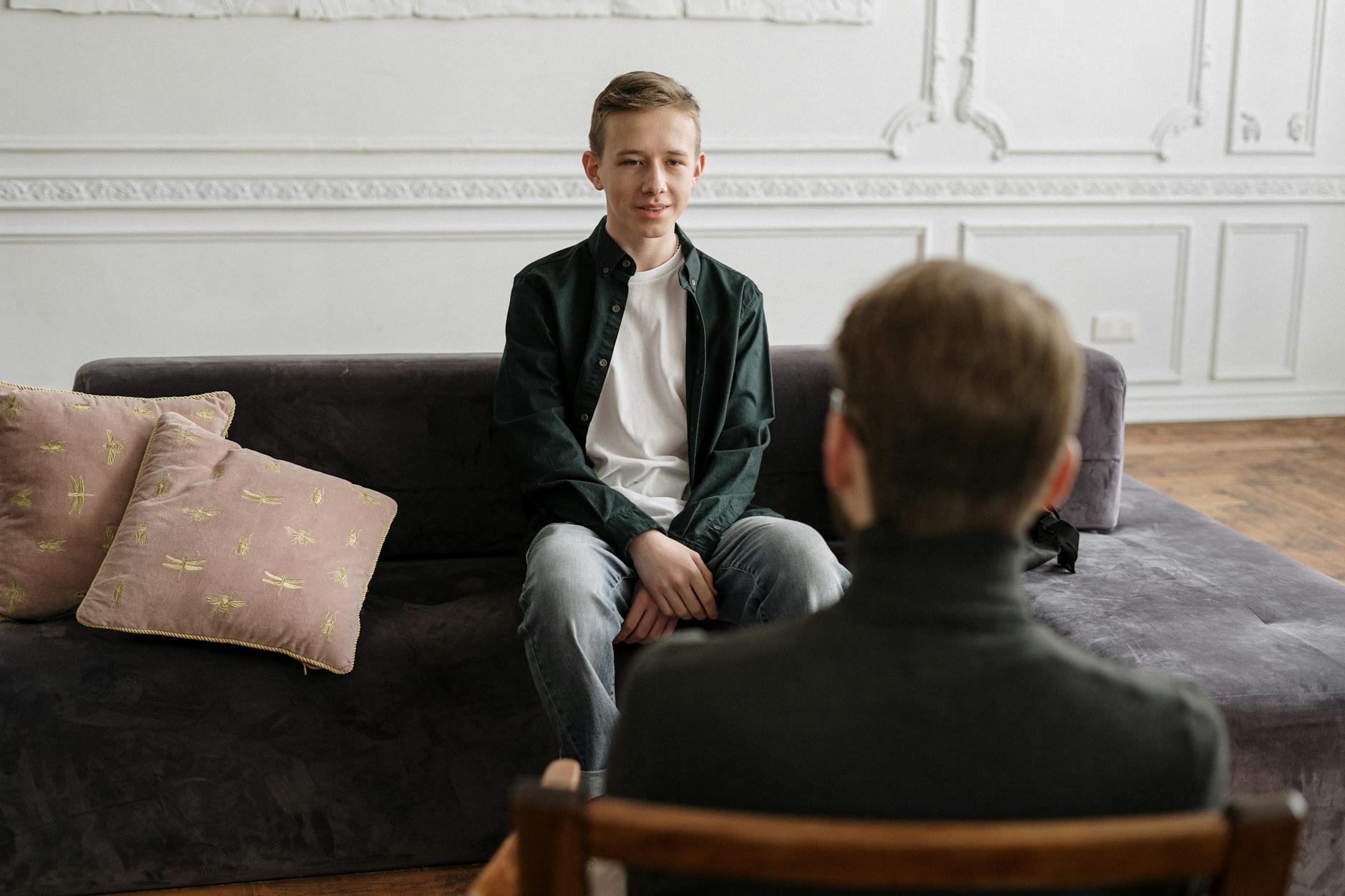
Adolescence is a whirlwind of change as identity, social dynamics, school stress and family shifts all mix together. For many teens, accessing therapy can be a powerful step toward clarity and resilience. When a young person enters the therapy space, they’re often grappling with more than one issue: anxiety, depression, peer pressure, family conflict or simply the sense that they don’t quite “fit.” According to the American Psychological Association, only about 58.5% of U.S. teens report receiving the social and emotional support they need. Formal therapeutic approaches such as the review of adolescent psychotherapy found in the PMC archive show that therapy with teens brings unique demands and opportunities.
Therapists working with adolescents must meet them where they are: with authenticity, respect for autonomy, and strategies that fit their developmental stage. One article on the topic outlines effective techniques for talking with teens about therapy, helping them feel safe, involved and voiced. For parents and practitioners alike, supporting a teen in therapy means providing space without pressure, encouraging their involvement in the process, and helping them build healthy coping skills now that will serve into adulthood.
Here are a few additional articles you might find helpful:
- “Therapy for Teens” on Verywell Mind – https://www.verywellmind.com/therapy-for-teens-2610410
- “Why Teen Counseling is Essential for Emotional and Mental Health” on Idaho Youth Ranch blog – https://www.youthranch.org/blog/teencounselingessentialforhealth
- “Acceptance and Commitment Therapy for Teens” on Child Mind Institute – https://childmind.org/article/acceptance-and-commitment-therapy-for-teens/
Therapy, while helpful, can also be intimidating. Especially to children and teenagers who have never had a therapist before. As a therapist, these are some of the most important topics or concerns that I look to address with any teenager during their intake appointment.
- Your privacy matters and you are entitled to confidentiality. I also remind them of the limits of confidentiality that would require a therapist to disclose information from session such as if they are in danger of hurting themselves or others.
- You have the right to decide what goals or topics are important for you to discuss in sessions.
- Therapists who work with children and teenagers work to balance both concerns from parents but also concerns that matter and are important to the teenager.
- It’s okay if you don’t agree with the perspectives of your parent/guardian but we still may need to address these topics together.
- Your therapist will want to hear about the things that are important and impactful to you such as your friendships, hobbies, and interests.
- There is no topic that is too big or too small to bring up in sessions.
- Your parents do have the right to bring concerns to your therapist, but you should always be given the opportunity to provide your perspective and input as well.
- It’s okay to tell your therapist that they may have misunderstood or got something wrong.
- Remember that differences in opinion do not always mean conflict or disagreement.
- Your therapist will sometimes challenge you and encourage you to try things that may seem intimidating.
- Therapy doesn’t have to be forever. Some teenagers may assume that they must stay in sessions for long extended periods of time. We can work together to determine milestones and achievements that let us know you are ready to stop sessions.
- The therapeutic relationship is one of the most important tools of therapy. It’s okay if you don’t feel connected with your therapist. You are allowed to ask for other options and get referrals for other potential therapists who may be a better fit.
- Therapy can be hard even for adults. It’s not always easy to be vulnerable and open with others.
- There is nothing wrong with being in therapy and you deserve to be treated with respect by others. Being in therapy doesn’t mean you are different or should be treated differently.
Written by Dawn Ruane, LPC – Dawn is a therapist at MSC and works out of our Moorestown and Hamilton locations.
Leave a Reply