
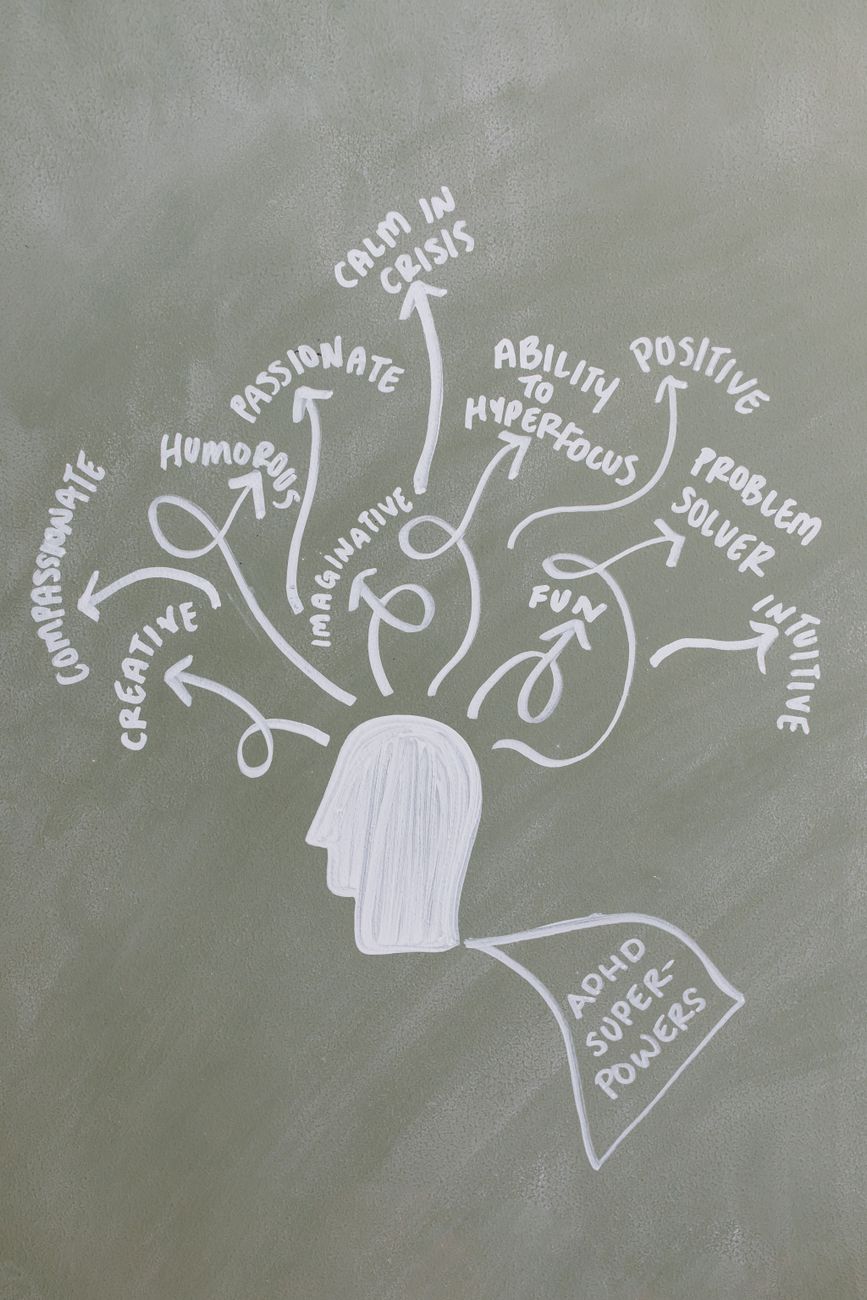
When most people think of ADHD, they picture a hyperactive child who can’t sit still in class. But ADHD looks very different in adults, and because of that, it often goes unrecognized for years, sometimes decades. At Main Street Counseling, with offices in Hamilton, Moorestown, Pennington, and Point Pleasant, we work with many adults who spent most of their lives wondering why certain things felt so much harder for them — only to discover that ADHD was the answer.
If you’ve ever been told you’re disorganized, spacey, or “not living up to your potential”, or if you’ve struggled with focus, follow-through, or emotional regulation without knowing why: this post is for you.
Why Adult ADHD Is Frequently Undiagnosed
ADHD was historically understood as a childhood condition, one that primarily affected boys and showed up as obvious hyperactivity. Girls, quieter kids, and high-achieving students were often missed entirely. Many of those children grew into adults who developed coping strategies that masked the underlying condition.
Other adults were never evaluated in childhood at all, particularly those from lower-income backgrounds, communities of color, or schools that lacked adequate resources.
The result: a significant number of adults are living with undiagnosed ADHD, often having internalized years of self-blame for their struggles.
What Adult ADHD Actually Looks Like
Adult ADHD is often less about constant movement and more about inconsistency — the experience of being highly capable in some areas while chronically struggling in others. Common signs include:
- Difficulty starting tasks, especially ones that feel boring or overwhelming (often called “task initiation” difficulty)
- Losing track of time (running late, missing deadlines, underestimating how long things take)
- A cluttered environment that feels impossible to organize, despite many attempts
- Forgetting appointments, misplacing things, or losing track of important information
- Hyperfocus: the ability to lose yourself completely in something interesting, but inability to shift attention when needed
- Emotional dysregulation: intense reactions to frustration, rejection, or perceived failure (sometimes called Rejection Sensitive Dysphoria)
- Difficulty following conversations or retaining what was just read
- Starting many projects but struggling to finish them
- A persistent sense of underachievement, despite intelligence and effort
How ADHD Can Look Different in Women
ADHD in women is particularly underdiagnosed. Women with ADHD are more likely to present with inattentive symptoms (rather than hyperactivity), which are less visible and more easily dismissed. They may be labeled as anxious, spacey, overly emotional, or simply “trying to do too much.”
Hormonal changes, including those related to the menstrual cycle, pregnancy, postpartum, and perimenopause, can significantly affect how ADHD symptoms present, which further complicates diagnosis.
The Impact of Living With Undiagnosed ADHD
Adults who don’t know they have ADHD often develop a painful internal narrative: that they are lazy, irresponsible, or fundamentally flawed. They may have experienced academic struggles, job instability, relationship conflicts, and chronic feelings of shame — none of which reflect who they actually are.
Anxiety and depression are common co-occurring conditions in adults with ADHD, often as a result of years of struggling without understanding why.
Adult ADHD Evaluations and Therapy in New Jersey
A formal evaluation is the first step toward understanding whether ADHD is part of your experience. At Main Street Counseling, we offer Adult ADHD and Autism evaluations. Our evaluations are comprehensive and conducted by a licensed clinician who specializes in adult presentations of ADHD.
If you receive a diagnosis, therapy can make a meaningful difference. We offer:
- Individual therapy to develop practical strategies for attention, organization, and time management
- Support for co-occurring anxiety or depression
- Coaching on emotional regulation and relationship dynamics
- Guidance on next steps, including whether medication may be appropriate (coordinated with your prescriber)
Frequently Asked Questions About Adult ADHD in NJ
Can I have ADHD even if I did well in school?
Yes. Many people with ADHD, particularly those with higher IQs or strong support systems, develop coping strategies that allow them to succeed academically, at least for a while. This is sometimes called “compensated ADHD.” Struggles often become more visible when the demands of adult life increase.
What’s the difference between ADHD and just being disorganized?
ADHD involves neurological differences in how the brain regulates attention, impulse control, and executive function. It’s not a matter of effort or character. Disorganization that is pervasive, long-standing, and causes significant distress or impairment in daily life warrants evaluation.
How do I get an ADHD evaluation in New Jersey?
You can contact Main Street Counseling directly to inquire about adult ADHD evaluations. Call our intake coordinator at 609-534-0296 to request an appointment and learn more.
Does insurance cover ADHD evaluations?
We accept major insurance plans, including Horizon Blue Cross Blue Shield, Aetna, and Optum/United Healthcare. Contact our office and your insurance provider to verify your specific coverage.
You don’t have to keep wondering why things feel harder than they should. Main Street Counseling offers adult ADHD evaluations; call 609-534-0296 to get started.
Leave a Reply