
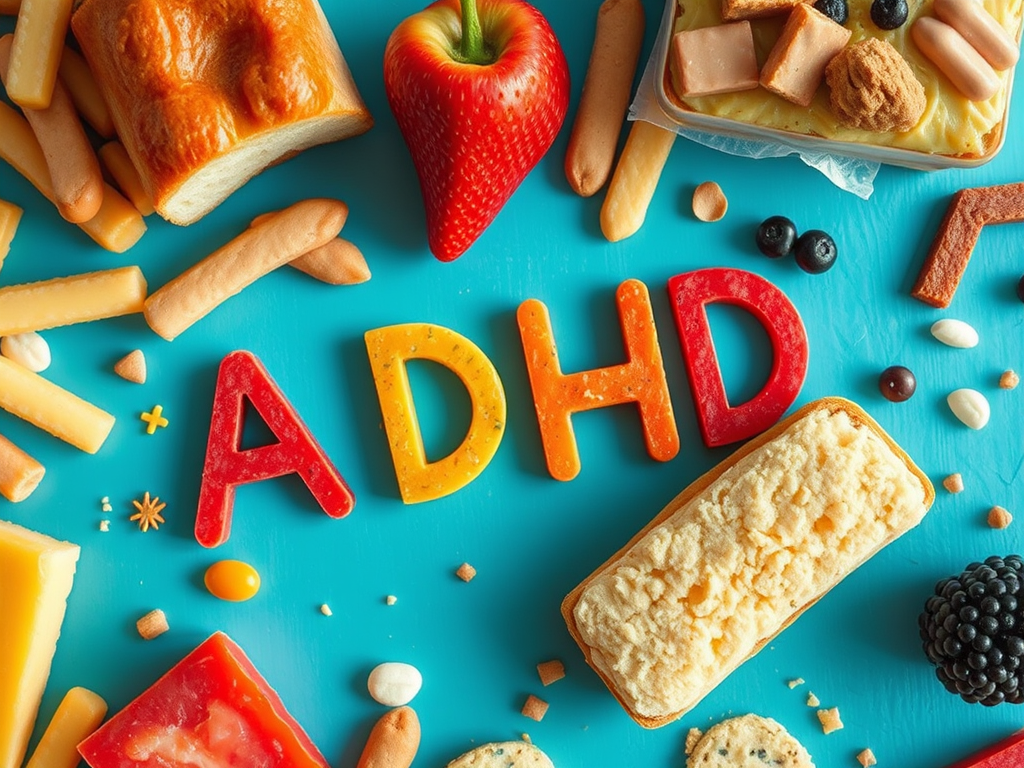
Attention-Deficit/Hyperactivity Disorder (ADHD) affects both children and adults, influencing attention, impulse control, and emotional regulation. While there’s no specific “ADHD diet” prescribed by healthcare authorities, research and expert consensus show that certain eating patterns and foods can support brain function, improve focus, and help stabilize energy levels when included as part of a balanced lifestyle.
🧠 Why Diet Matters in ADHD
Nutrition plays an important role in overall health and for individuals with ADHD, eating patterns that support stable blood sugar, neurotransmitter production, and reduced inflammation may help mitigate symptoms such as distractibility, impulsivity, and energy swings. Although diet isn’t a treatment on its own, it works alongside medication, therapy, and lifestyle strategies to promote optimal function. Healthline
👉 For a comprehensive overview on ADHD and how food may affect symptoms, see WebMD’s “ADHD Diet and Nutrition: Foods to Eat & Foods to Avoid.” WebMD
🥦 Foods That Support Focus and Attention
🍓 Fruits and Vegetables
Fruits and vegetables are rich in vitamins, minerals, antioxidants, and fiber, all of which are essential for brain health. Some evidence links higher fruit and vegetable intake with reduced inattentive symptoms in people with ADHD. Aim for a variety of colors each day to maximize nutrient intake. ADDA
Examples:
- Berries, apples, kiwis
- Leafy greens like spinach or kale
- Bell peppers, carrots, broccoli
🍞 Complex Carbohydrates for Stable Energy
Not all carbohydrates are equal. Complex carbohydrates are digested more slowly than simple sugars, helping provide sustained energy and avoiding spikes and crashes in blood glucose that can affect mood and focus. ADDA
Good sources include:
- Whole grains: oatmeal, brown rice, quinoa
- Legumes: beans, lentils, peas
- Fiber-rich produce
These foods may support steadier attention throughout the day. goodrx.com
🍗 Protein-Rich Foods
Protein provides the amino acids needed to make neurotransmitters chemical messengers like dopamine and norepinephrine that are central to attention and regulation. A protein-rich breakfast has been associated with improved mood and alertness in people with ADHD. ADDA
Healthy protein choices:
- Lean meats and fish
- Eggs
- Nuts and seeds
- Beans and lentils
- Greek yogurt or low-fat dairy
Pairing protein with complex carbs such as oatmeal with milk or peanut butter on whole-grain toast supports both focus and balanced blood sugar. ADDA
🥑 Healthy Fats for Brain Function
Healthy fats — especially omega-3 and omega-6 fatty acids support brain structure, memory, and immune function. Some research suggests omega-3s may modestly improve symptoms like hyperactivity and impulsivity. UCLA Health
Sources of healthy fats:
- Fatty fish (salmon, tuna, mackerel)
- Walnuts, flaxseeds, chia seeds
- Avocado and olive oil
👉 For more on omega-3s and brain health, check out Verywell Mind’s article on fish oil and mental health. Verywell Mind
🚫 Foods to Limit (or Avoid)
🍭 Sugary and Processed Foods
Although the link between sugar and ADHD symptoms is still debated, diets high in added sugar and ultra-processed foods tend to lack the nutrients needed for brain health and can contribute to energy crashes and poor focus. WebMD+1
Foods to limit include:
- Soda and sweetened drinks
- Candy, cakes, cookies
- Sugary breakfast cereals
- Highly processed snacks
👉 Verywell Health explains that while sugar doesn’t cause ADHD, reducing added sugars benefits overall and brain health. Verywell Health
🍟 Unhealthy Fats and Refined Carbs
High intakes of saturated and processed fats (found in fried foods, processed meats, and heavy dairy) may negatively affect cognitive performance and heart health. Limiting refined carbohydrates like white bread and pastries helps reduce rapid blood sugar changes linked to poor focus and mood shifts. WebMD+1
☕ Caffeine Considerations
Caffeine can affect individuals with ADHD differently some find it modestly improves alertness, while others experience anxiety or sleep disruption, particularly if taking stimulant medication. Adjust intake based on personal response and consult a provider if needed. WebMD
💊 Vitamins, Minerals & Supplements
While a balanced diet should ideally provide essential nutrients, supplementation may be helpful for some individuals with deficiencies. Work with a healthcare professional before starting any supplement regimen.
Often discussed nutrients:
- Iron (important in dopamine metabolism)
- Zinc (helps regulate neurotransmitter pathways)
- Magnesium (supports nervous system regulation)
- Vitamin D (linked to mood and overall function)
- Omega-3 supplements (may support attention and impulse control) ADDA+1
💡 Final Takeaway
There’s no one “ADHD diet,” but prioritizing whole foods, lean proteins, complex carbohydrates, healthy fats, and minimizing sugary, processed foods supports overall health and may help improve attention, mood, and energy regulation. Always consult a healthcare professional before making significant dietary changes or starting supplements. WebMD
Leave a Reply